Français
 Italiano
 Deutsch
 Nederlands
Immunomodulatory effects of photobiomodulation
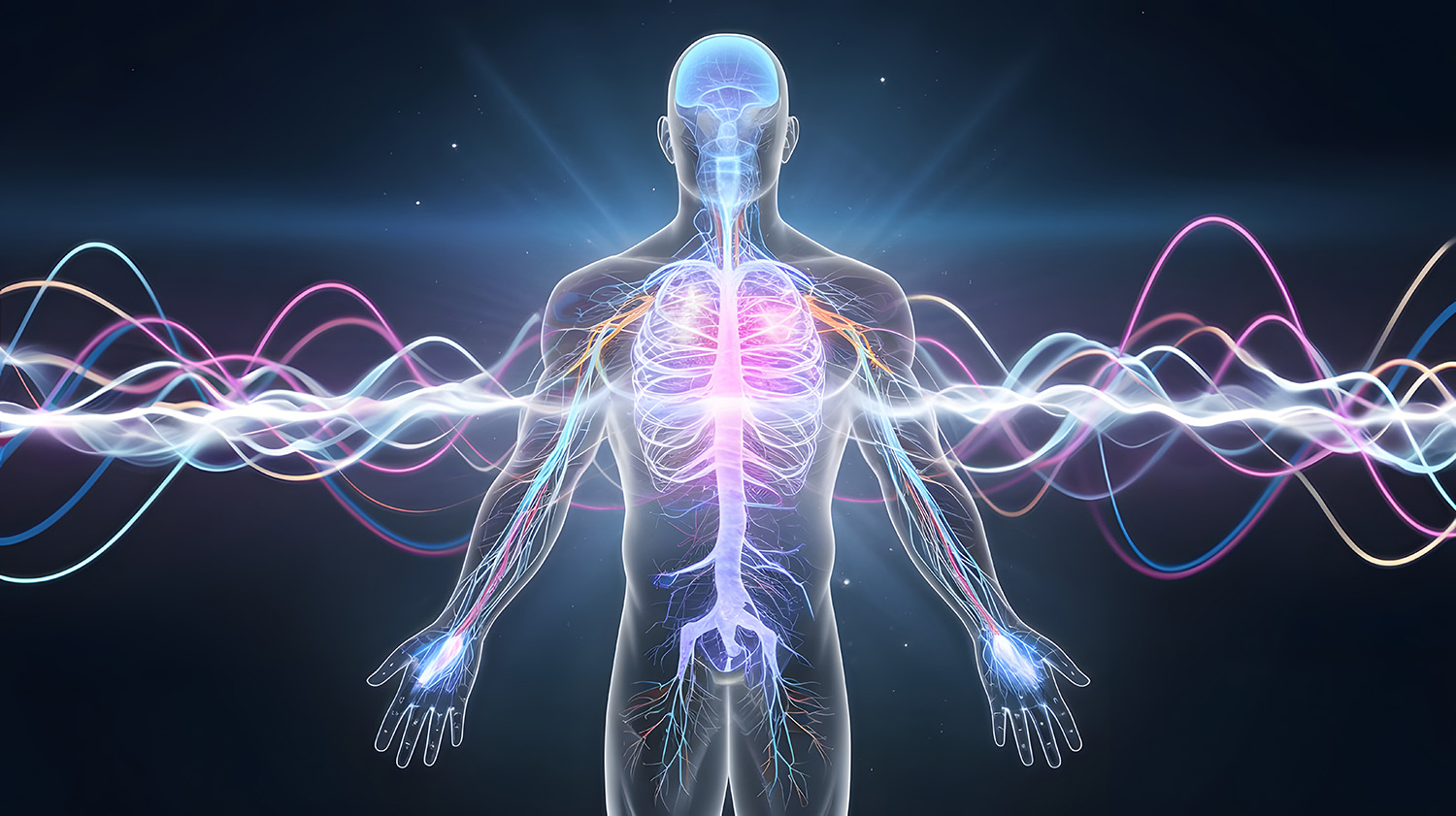
Summary of Immunomodulatory effects of photobiomodulation
(Al Balah et al., 2025) PMC
Background & Rationale
-
Photobiomodulation (PBM), also known as low‑level light therapy (LLLT), involves exposure of tissues to red or near‑infrared light to stimulate cellular processes such as mitochondrial activity, ATP production, and downstream signaling pathways. PMC
-
The article reviews how PBM influences immune system function by interacting with immune cell populations, inflammation‑mediated pathways, and tissue repair mechanisms. PMC
Key Findings
-
The review demonstrates that PBM can modulate immune responses—both innate and adaptive—by affecting immune cell metabolism, cytokine production, and oxidative stress levels. PMC
-
PBM has been shown to have anti‑inflammatory effects, promote tissue healing and regeneration, and potentially help manage immune‑related or chronic inflammatory conditions. PMC
-
The authors highlight that PBM parameters (wavelength, dose, duration, frequency) are critical and that the immunomodulatory effects depend on delivering the correct “window” of exposure (too little may be ineffective; too much may have adverse or suppressed effects). PMC
Considerations & Practical Implications
-
While the review identifies promising potential, the authors note that many studies vary in methodology, making direct comparisons difficult. Standardised protocols are still needed. PMC
-
For clinical application, the safety profile of PBM is favourable. Nonetheless, practitioners should tailor parameters carefully and monitor outcomes. PMC
-
The review suggests that PBM might serve as a complementary modality in immune‑related therapies (rather than a standalone cure) and may be especially beneficial for conditions characterised by inflammation or immune dysregulation. PMC
Conclusion
This review supports the idea that photobiomodulation is a versatile, low‑invasiveness tool with significant immunomodulatory capabilities. It can influence immune cell behavior, reduce inflammation, promote repair, and assist in management of immune‑related tissue conditions. With appropriate dosing and methodic application, it is posited as a valuable adjunct in modern therapeutic regimens. PMC
More details available from the link below: